

Dry skin
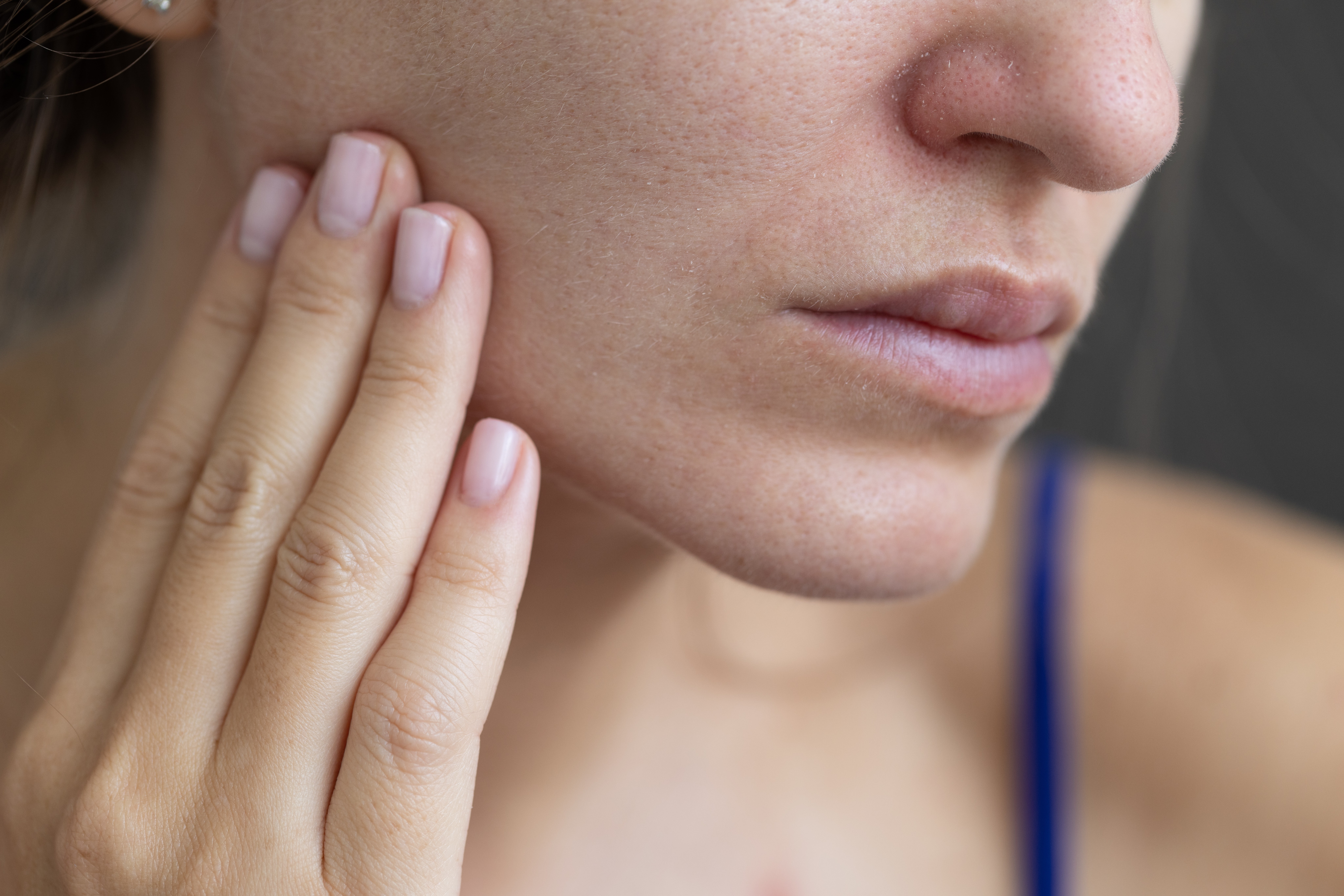
A dry skin is a common skin type characterized by a lack of water in the upper layers of the skin (stratum corneum). The skin will appear dull, rough in texture, or 'gray' in color. A more complex definition of dry skin is an imbalance in the structure of the stratum corneum, which also includes lipids, sebum, natural moisturizing factors (NMFs), and aquaporins.
Safe and quality treatments
Specialized therapists
Natural results
Safe and quality treatments
Specialized therapists
Natural results
Safe and quality treatments
Specialized therapists
Natural results
Causes of dry skin
A dry skin is characterized by an insufficient supply of sebum, which keeps the skin hydrated, and the lipids that maintain the skin's moisture barrier. When these essential materials are lacking, the skin loses its ability to produce and retain enough moisture, resulting in dry, flaky skin and a dull complexion. Moreover, the skin becomes thinner and drier as one ages, due to the natural aging process of the body leading to a decrease in hyaluronic acid reserves. Hyaluronic acid is a naturally occurring substance that attracts and retains moisture, which is essential for keeping the skin soft and supple. But without lipids or sebum, dry skin cannot remain hydrated, and the skin barrier is compromised. Dry skin produces less oil than other skin types, which can lead to an increase in transepidermal water loss (TEWL), especially when the skin barrier is damaged. Dry skin is often confused with dehydrated skin, which is a temporary condition that is easy to treat. However, dry skin is a skin type that requires ongoing care to maintain. Although an individual may be genetically predisposed to dry skin, the right skincare routine can make a world of difference. Using a moisturizer helps to retain more moisture, prevent TEWL, and keep the skin balanced.
Causes of dry skin
A dry skin is characterized by an insufficient supply of sebum, which keeps the skin hydrated, and the lipids that maintain the skin's moisture barrier. When these essential materials are lacking, the skin loses its ability to produce and retain enough moisture, resulting in dry, flaky skin and a dull complexion. Moreover, the skin becomes thinner and drier as one ages, due to the natural aging process of the body leading to a decrease in hyaluronic acid reserves. Hyaluronic acid is a naturally occurring substance that attracts and retains moisture, which is essential for keeping the skin soft and supple. But without lipids or sebum, dry skin cannot remain hydrated, and the skin barrier is compromised. Dry skin produces less oil than other skin types, which can lead to an increase in transepidermal water loss (TEWL), especially when the skin barrier is damaged. Dry skin is often confused with dehydrated skin, which is a temporary condition that is easy to treat. However, dry skin is a skin type that requires ongoing care to maintain. Although an individual may be genetically predisposed to dry skin, the right skincare routine can make a world of difference. Using a moisturizer helps to retain more moisture, prevent TEWL, and keep the skin balanced.
What should you pay attention to?
Too hot showers and baths Prolonged hot showers can lead to excessively dry skin. It is important to limit showers and baths to 5-10 minutes and to use warm water instead of hot to prevent dehydration and damage to the skin surface. Harsh product ingredients Some soaps can strip the natural oil barrier from your skin, leading to dryness. Be cautious when coming into contact with cleansers and other chemicals that contain irritating substances. Only use gentle skincare products for your skincare routine. For example, try using a mild, non-foaming cleanser, such as an oil-based or moisturizing cleanser, instead of a foaming one. Dry winter air During winter, the lack of humidity is a major cause of dry skin. Cold air contains less moisture, and indoor heating systems severely dry out the air. Consider using a humidifier to add moisture to your home, and keep a moisturizer on hand to apply as often as needed. Not enough fat in your diet Incorporating fatty acids into your diet can help prevent dry skin. Fatty acids are omega-3s found in foods such as seafood, dairy products, canola oil, eggs, and grass-fed meat. These foods contain essential fatty acids and mono- and polyunsaturated fats that contribute to both your skin and overall health. Not enough moisture in the skin Dry skin is genetically determined and is characterized by an inadequate amount of sebum and lipids. To retain moisture, apply a moisturizer immediately after showering or washing your hands.
What should you pay attention to?
Too hot showers and baths Prolonged hot showers can lead to excessively dry skin. It is important to limit showers and baths to 5-10 minutes and to use warm water instead of hot to prevent dehydration and damage to the skin surface. Harsh product ingredients Some soaps can strip the natural oil barrier from your skin, leading to dryness. Be cautious when coming into contact with cleansers and other chemicals that contain irritating substances. Only use gentle skincare products for your skincare routine. For example, try using a mild, non-foaming cleanser, such as an oil-based or moisturizing cleanser, instead of a foaming one. Dry winter air During winter, the lack of humidity is a major cause of dry skin. Cold air contains less moisture, and indoor heating systems severely dry out the air. Consider using a humidifier to add moisture to your home, and keep a moisturizer on hand to apply as often as needed. Not enough fat in your diet Incorporating fatty acids into your diet can help prevent dry skin. Fatty acids are omega-3s found in foods such as seafood, dairy products, canola oil, eggs, and grass-fed meat. These foods contain essential fatty acids and mono- and polyunsaturated fats that contribute to both your skin and overall health. Not enough moisture in the skin Dry skin is genetically determined and is characterized by an inadequate amount of sebum and lipids. To retain moisture, apply a moisturizer immediately after showering or washing your hands.
Recommended Conditions or Skin Problems

Skincare that makes you feel good
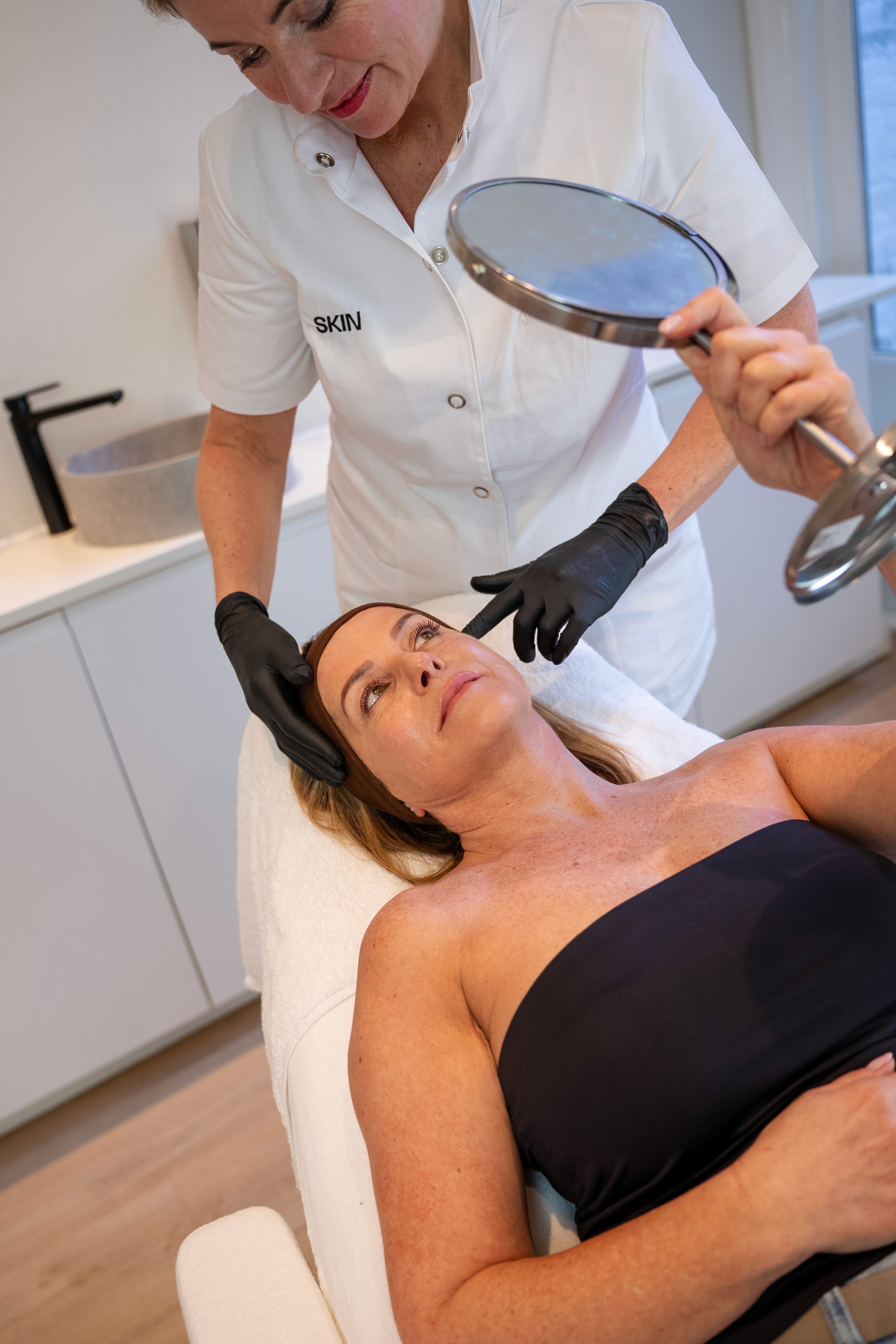
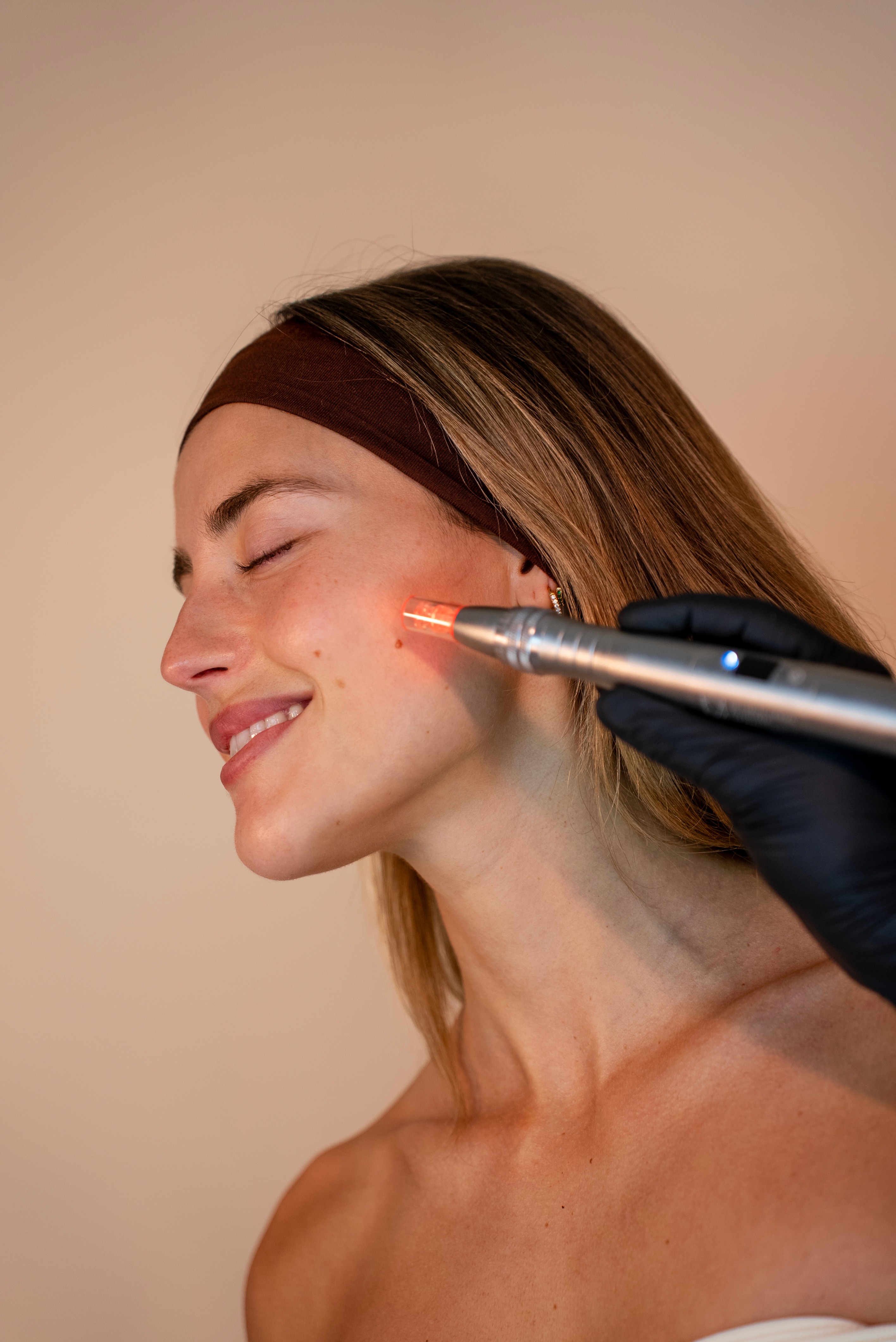
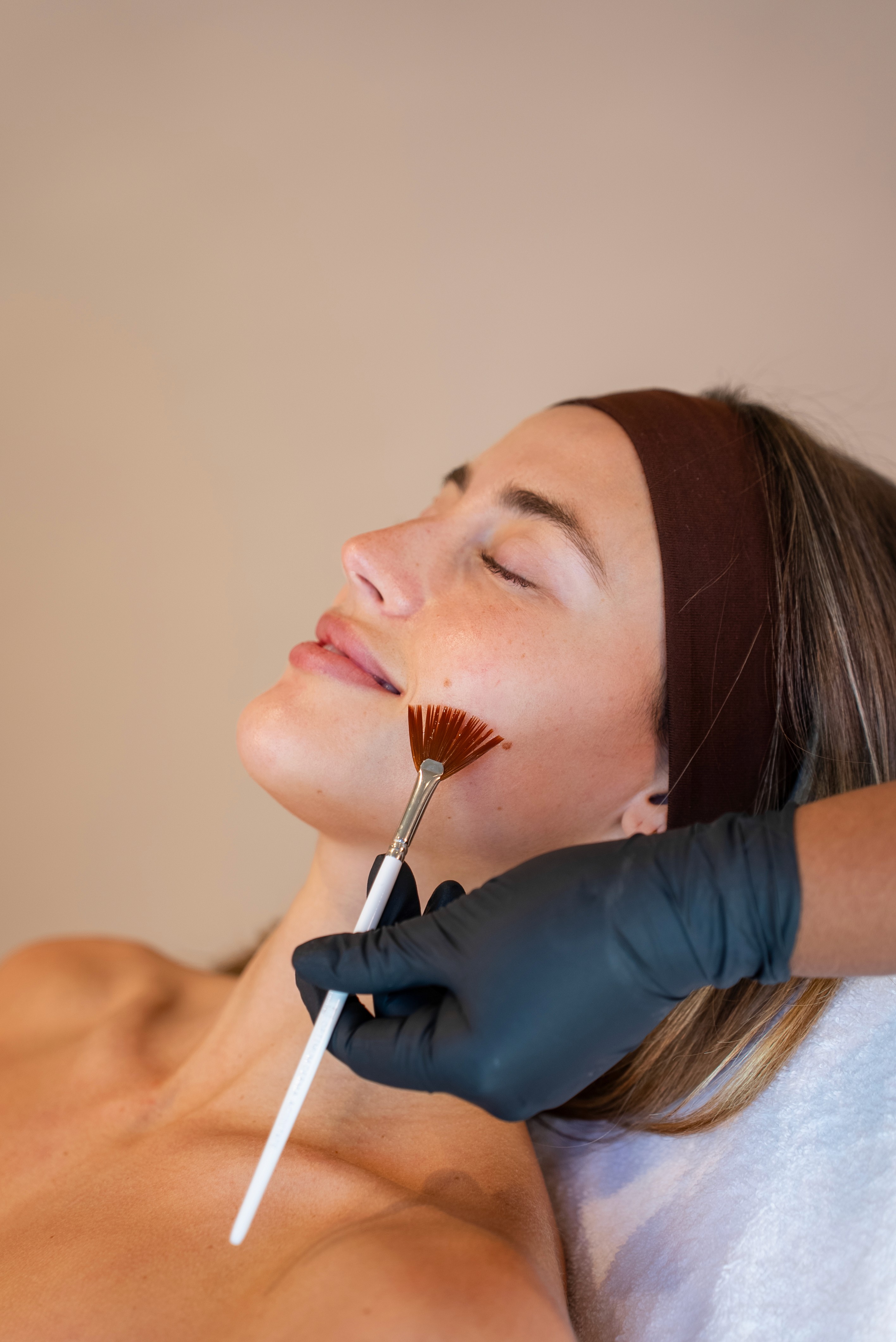
Annoyed by pimples, redness, or a dull complexion? Our experts create personalized treatments that will make your skin feel comfortable and confident again.
Skincare that makes you feel good
Annoyed by pimples, redness, or a dull complexion? Our experts create personalized treatments that will make your skin feel comfortable and confident again.
Skincare that makes you feel good
Annoyed by pimples, redness, or a dull complexion? Our experts create personalized treatments that will make your skin feel comfortable and confident again.

Contact us
Locations
Den Haag
Valeriusstraat 21 2517HM The Hague
© 2025 SKIN.nl. All rights reserved.
Contact us
Locations
Den Haag
Valeriusstraat 21 2517HM The Hague
© 2025 SKIN.nl. All rights reserved.
Contact us
Locations
Den Haag
Valeriusstraat 21 2517HM The Hague
© 2025 SKIN.nl. All rights reserved.