

Combined skin
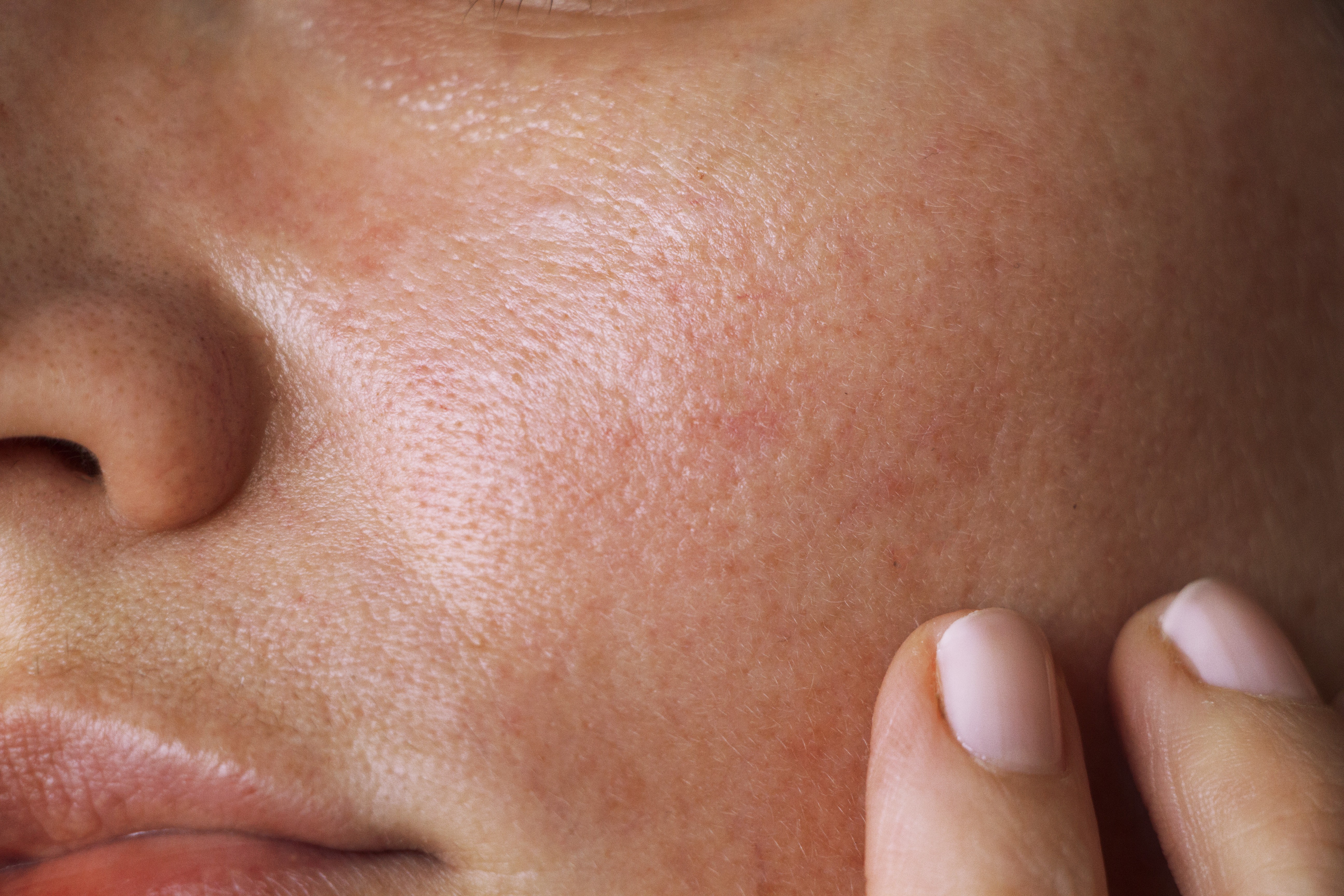
"The Combined Skin". This type of skin is usually seen as having an intact skin barrier with normal levels of skin hydration properties, such as natural moisturizing factors (NMFs) and hyaluronic acid (HA) with a balanced sebum production. A higher presence of sebum is usually responsible for classifying the skin as oily skin. Dry skin can be a symptom of environmental influences such as UV radiation or a reduced amount of essential skin lipids.
Safe and quality treatments
Specialized therapists
Natural results
Safe and quality treatments
Specialized therapists
Natural results
Safe and quality treatments
Specialized therapists
Natural results
What is a combined skin?
Combination skin is a skin type where both dry and oily areas occur on the face. This skin type is characterized by uneven sebum production, with more active sebaceous glands in the T-zone and less active sebaceous glands in other parts of the face. The T-zone usually includes the forehead and the bridge of the nose down to the tip of the chin. This is where the pores are larger and there are more sebaceous glands, leading to an oily appearance. Normal combination skin or dry combination skin Sometimes people have difficulty recognizing whether they have combination skin or not. We can further subdivide the categories into normal combination skin and dry combination skin. If the T-zone is oily and the skin on the cheeks feels 'normal' and is not dry, then they have normal combination skin. On the other hand, if they have an oily T-zone but dry cheeks, they likely have dry combination skin.
What is a combined skin?
Combination skin is a skin type where both dry and oily areas occur on the face. This skin type is characterized by uneven sebum production, with more active sebaceous glands in the T-zone and less active sebaceous glands in other parts of the face. The T-zone usually includes the forehead and the bridge of the nose down to the tip of the chin. This is where the pores are larger and there are more sebaceous glands, leading to an oily appearance. Normal combination skin or dry combination skin Sometimes people have difficulty recognizing whether they have combination skin or not. We can further subdivide the categories into normal combination skin and dry combination skin. If the T-zone is oily and the skin on the cheeks feels 'normal' and is not dry, then they have normal combination skin. On the other hand, if they have an oily T-zone but dry cheeks, they likely have dry combination skin.
Causes of combined skin
Genetically Determined Combination skin is primarily determined by genetics. It is characterized by uneven sebum production, with more active sebaceous glands in the T-zone than in other areas of the face. Combination skin usually exhibits characteristics of oily skin, such as larger pores, shine, and blackheads on the forehead, jawline, and nose. It also shows traits of dry skin, such as flakiness, dullness, fine lines, and wrinkles on the cheeks, jawline, and hairline. Hormonal Influences Hormonal imbalance can also affect combination skin. Testosterone and estrogen are hormones that influence sebum production in the skin. The more testosterone is produced, the more oil is produced in the skin, which can exacerbate the condition. Environmental Factors Environmental factors also play a role in the development of combination skin. Humidity can cause sweat glands to produce more sweat, making the skin moist and shiny. On the other hand, prolonged heat and low humidity can dry out the skin, increase sensitivity, and worsen dryness.
Causes of combined skin
Genetically Determined Combination skin is primarily determined by genetics. It is characterized by uneven sebum production, with more active sebaceous glands in the T-zone than in other areas of the face. Combination skin usually exhibits characteristics of oily skin, such as larger pores, shine, and blackheads on the forehead, jawline, and nose. It also shows traits of dry skin, such as flakiness, dullness, fine lines, and wrinkles on the cheeks, jawline, and hairline. Hormonal Influences Hormonal imbalance can also affect combination skin. Testosterone and estrogen are hormones that influence sebum production in the skin. The more testosterone is produced, the more oil is produced in the skin, which can exacerbate the condition. Environmental Factors Environmental factors also play a role in the development of combination skin. Humidity can cause sweat glands to produce more sweat, making the skin moist and shiny. On the other hand, prolonged heat and low humidity can dry out the skin, increase sensitivity, and worsen dryness.
Recommended Conditions or Skin Problems
Skincare that makes you feel good
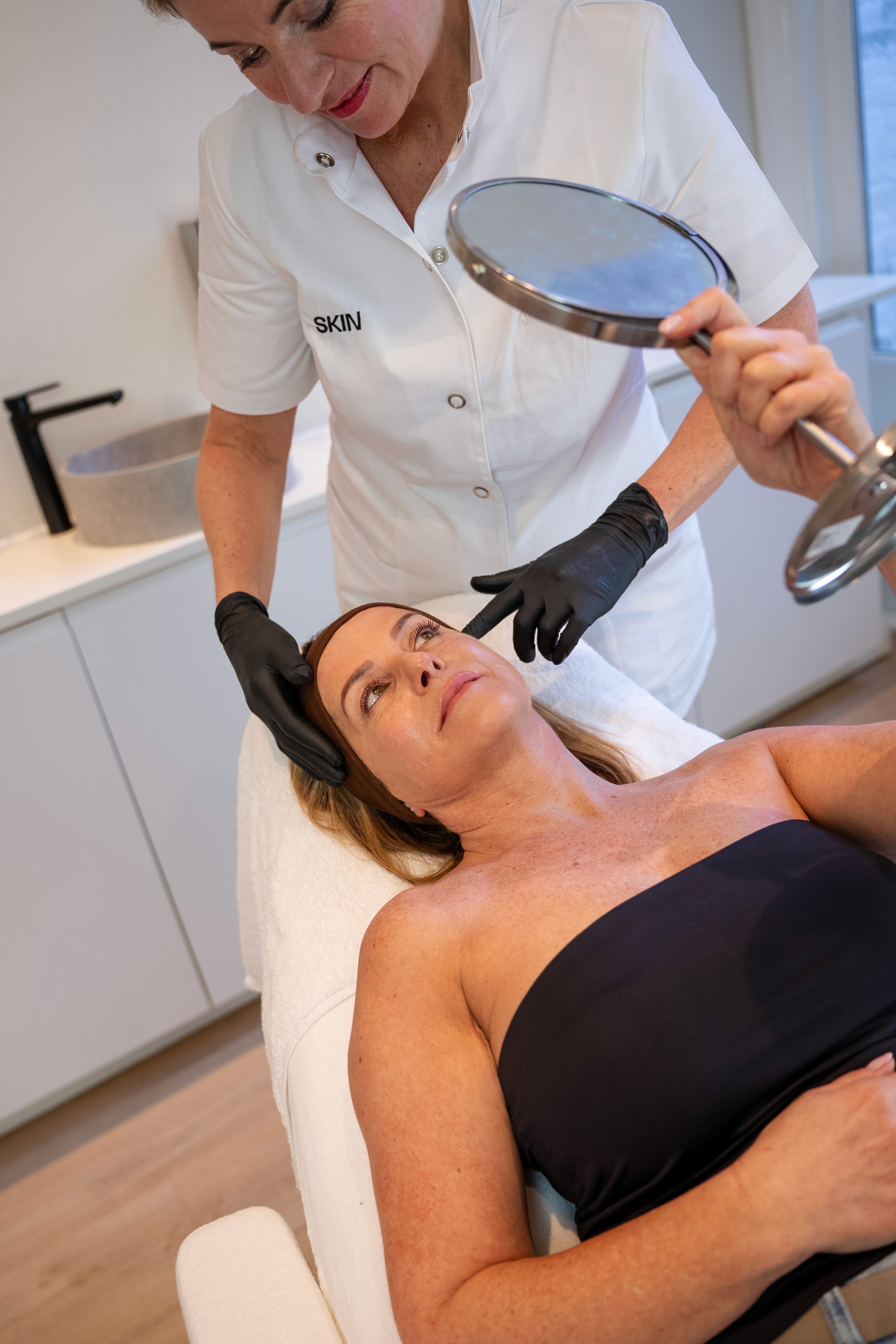
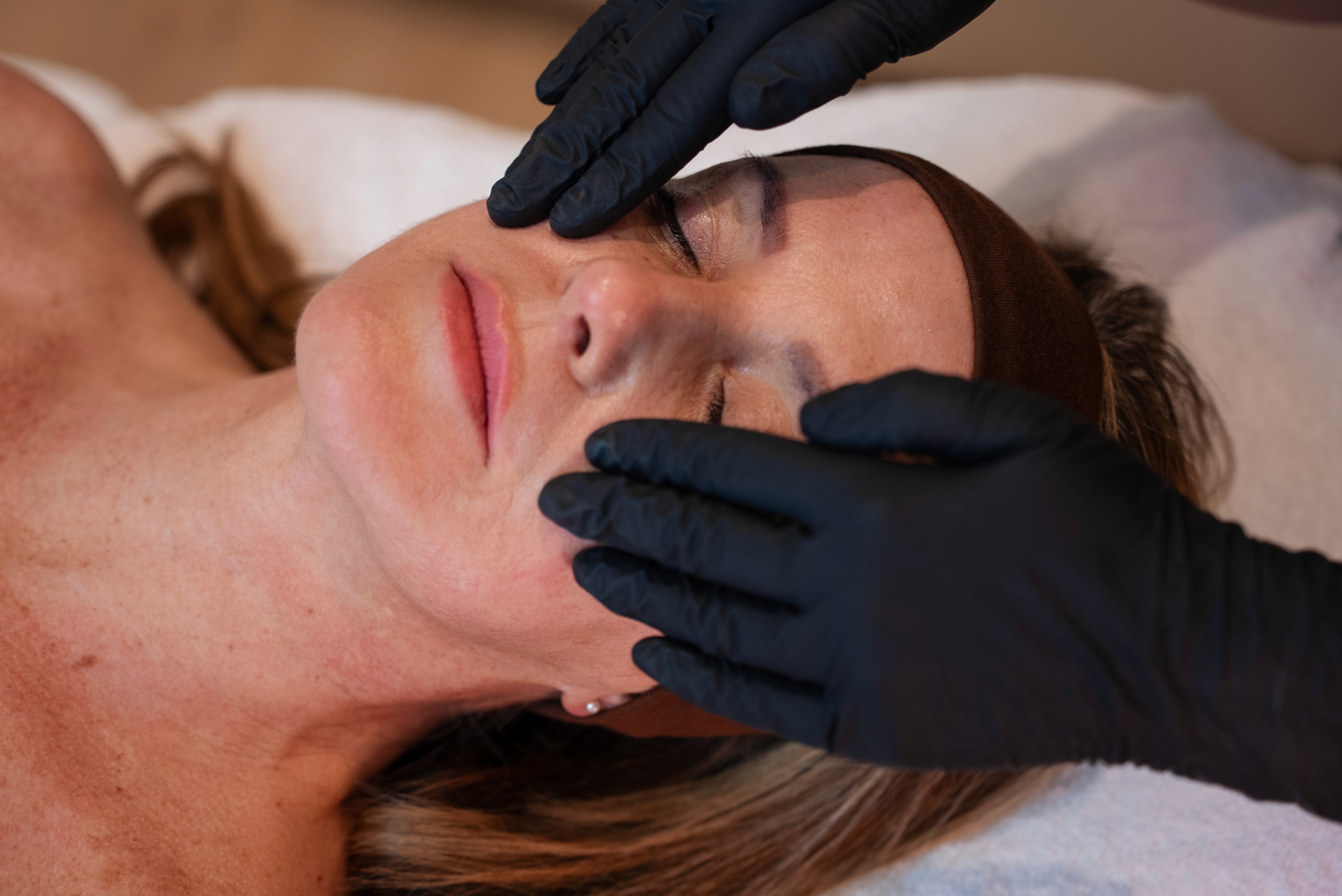
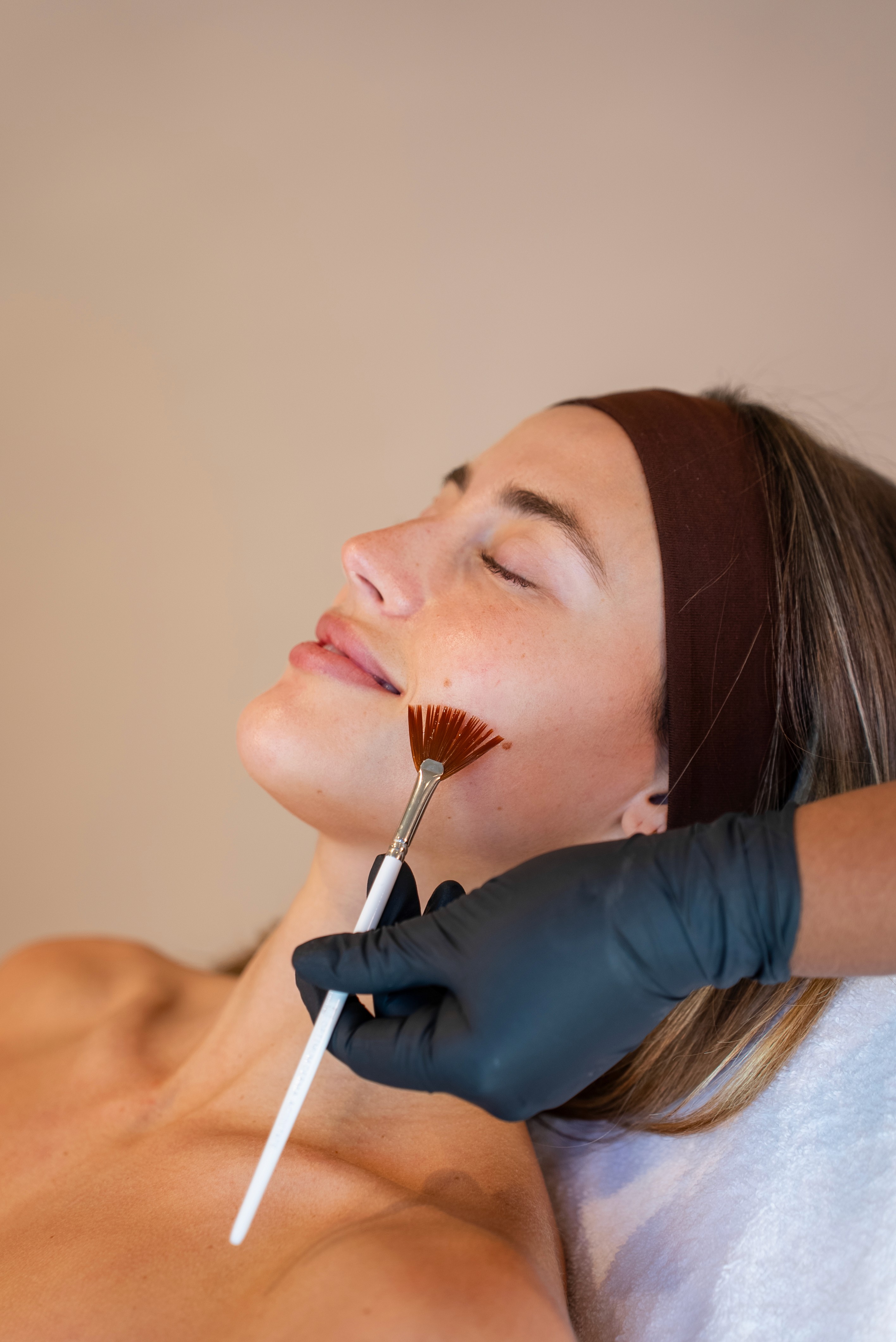
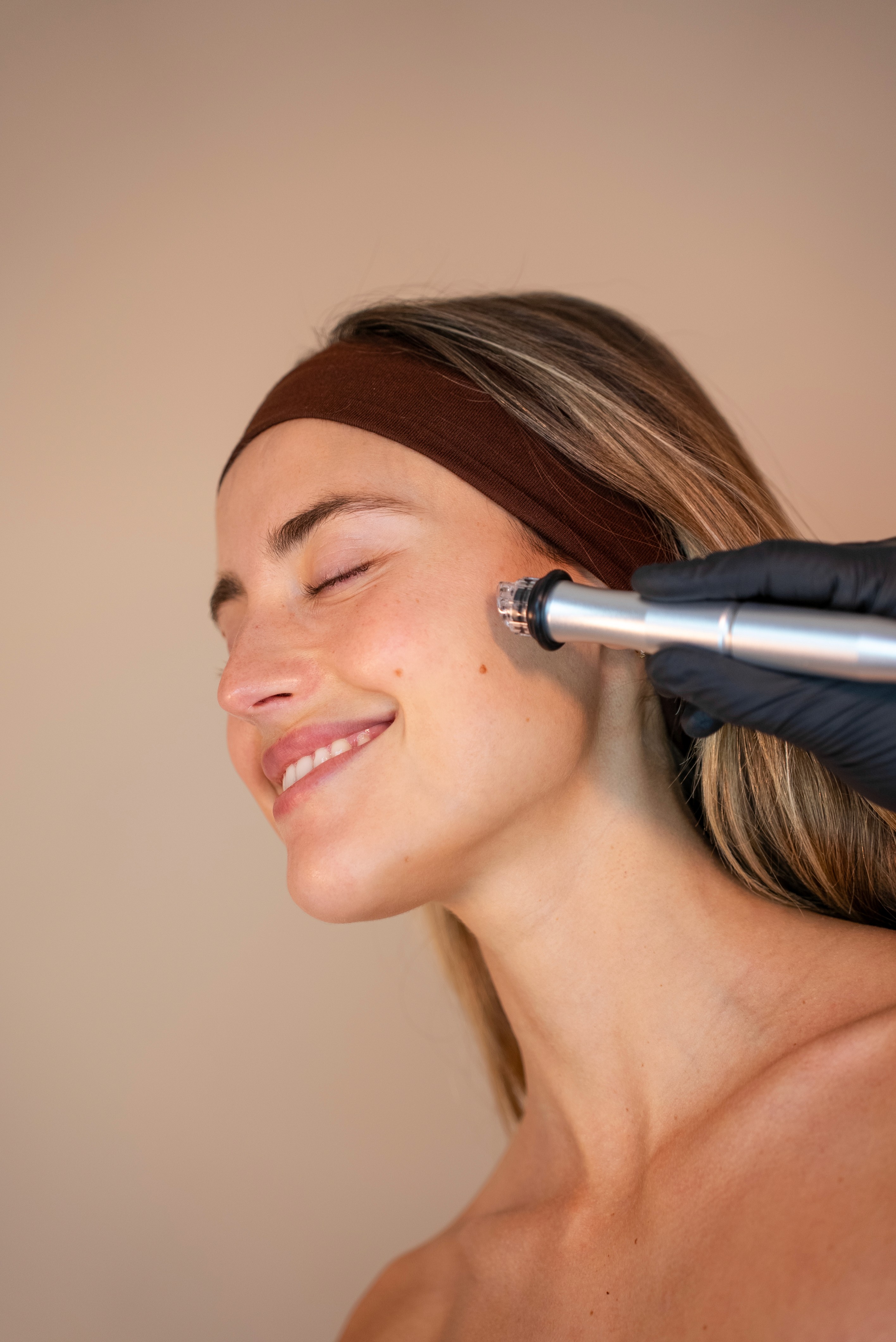
Annoyed by pimples, redness, or a dull complexion? Our experts create personalized treatments that will make your skin feel comfortable and confident again.
Skincare that makes you feel good
Annoyed by pimples, redness, or a dull complexion? Our experts create personalized treatments that will make your skin feel comfortable and confident again.
Skincare that makes you feel good
Annoyed by pimples, redness, or a dull complexion? Our experts create personalized treatments that will make your skin feel comfortable and confident again.

Contact us
Locations
Den Haag
Valeriusstraat 21 2517HM The Hague
© 2025 SKIN.nl. All rights reserved.
Contact us
Locations
Den Haag
Valeriusstraat 21 2517HM The Hague
© 2025 SKIN.nl. All rights reserved.
Contact us
Locations
Den Haag
Valeriusstraat 21 2517HM The Hague
© 2025 SKIN.nl. All rights reserved.