

Fatty skin
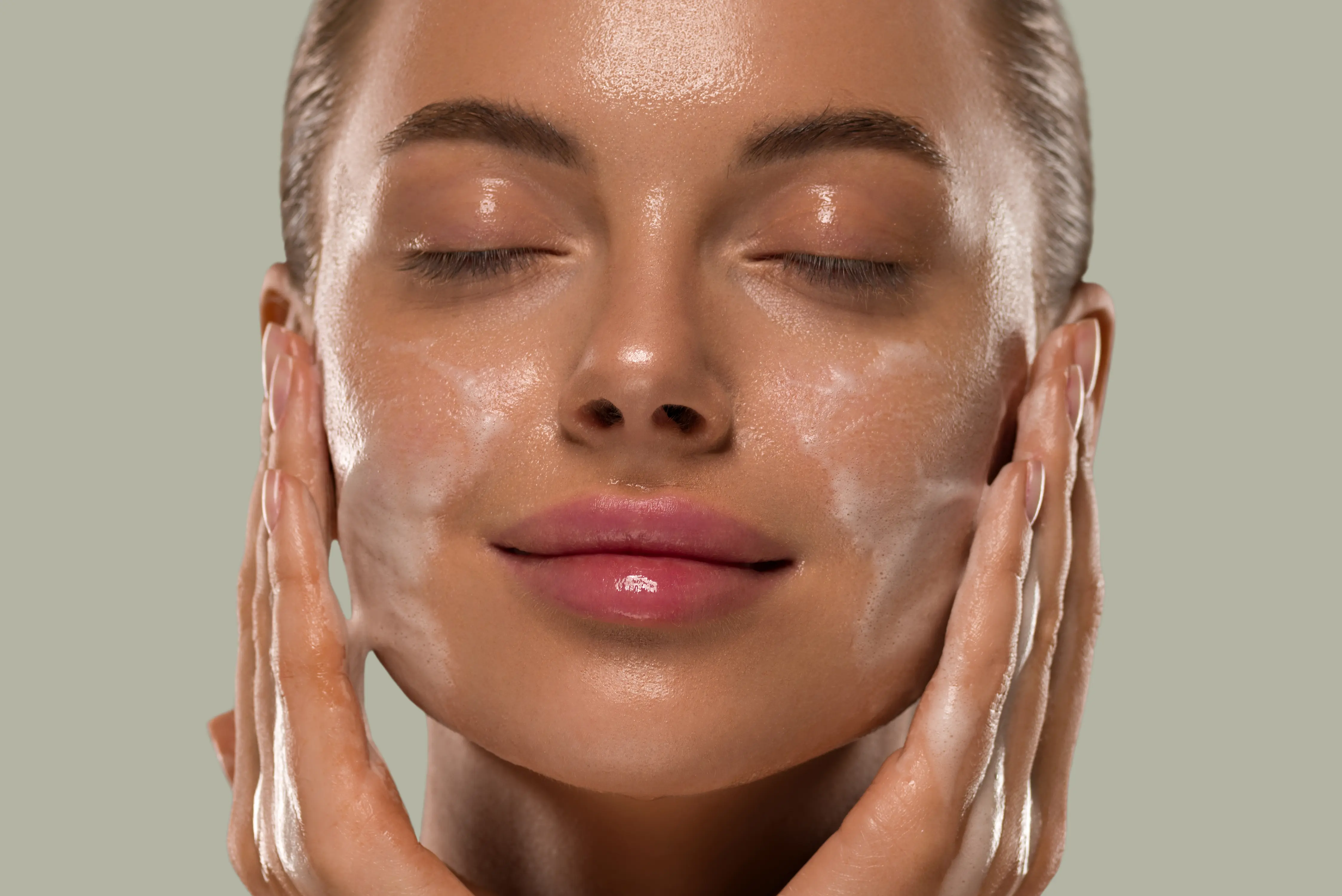
Oily skin is a common skin problem caused by overactive sebaceous glands that produce excessive sebum (oil), resulting in a shiny or greasy complexion.
Safe and quality treatments
Specialized therapists
Natural results
Safe and quality treatments
Specialized therapists
Natural results
Safe and quality treatments
Specialized therapists
Natural results
Causes of oily skin
Oily skin can be linked to a genetic predisposition to produce the hormone dihydrotestosterone (DHT) excessively, leading to more sebum being produced in the skin. Sebum is an oily, waxy substance that keeps the skin balanced and helps retain moisture. However, excessive sebum production can become problematic. It can enlarge pores, and when trapped, sebum can mix with dead skin cells and bacteria on the skin's surface, leading to pimples. The Climate Another common trigger for oily skin is hot summer weather. Heat and humidity can lead to an increase in sebum production. You might be trying to address your oily skin by cleansing four times a day or exfoliating too often. But these methods strip the skin of its natural oils and disrupt the skin's barrier function. Hormonal Fluctuations: Excessive Sebum Production Hormones can still affect your skin, even after puberty. During pregnancy, menopause, or the menstrual cycle, hormonal fluctuations can cause excessive oiliness and pimples. According to Foreo.com: “Androgens are the hormones primarily responsible for sebum production, and sometimes they can fluctuate, resulting in an increase in sebum production. This often happens during puberty, just before menstruation, during pregnancy, and during menopause.”
Causes of oily skin
Oily skin can be linked to a genetic predisposition to produce the hormone dihydrotestosterone (DHT) excessively, leading to more sebum being produced in the skin. Sebum is an oily, waxy substance that keeps the skin balanced and helps retain moisture. However, excessive sebum production can become problematic. It can enlarge pores, and when trapped, sebum can mix with dead skin cells and bacteria on the skin's surface, leading to pimples. The Climate Another common trigger for oily skin is hot summer weather. Heat and humidity can lead to an increase in sebum production. You might be trying to address your oily skin by cleansing four times a day or exfoliating too often. But these methods strip the skin of its natural oils and disrupt the skin's barrier function. Hormonal Fluctuations: Excessive Sebum Production Hormones can still affect your skin, even after puberty. During pregnancy, menopause, or the menstrual cycle, hormonal fluctuations can cause excessive oiliness and pimples. According to Foreo.com: “Androgens are the hormones primarily responsible for sebum production, and sometimes they can fluctuate, resulting in an increase in sebum production. This often happens during puberty, just before menstruation, during pregnancy, and during menopause.”
How do you recognize oily skin?
How do you recognize oily skin? There are a number of characteristics that can help you identify oily skin, such as: A shiny appearance Feeling greasy to the touch Large pores with an orange-peel texture Prone to pimples Makeup feels like it slides off as soon as you apply it Still unsure if you have oily skin? Then try this 3-step test to determine your skin type: Wash your face with your favorite cleanser and do not apply any extra products for at least an hour. Take a clean piece of tissue and gently dab on your T-zone to check for leftover oil. If your skin feels comfortable (not tight) but there are still traces of oil visible on the tissue, your skin is likely oily.
How do you recognize oily skin?
How do you recognize oily skin? There are a number of characteristics that can help you identify oily skin, such as: A shiny appearance Feeling greasy to the touch Large pores with an orange-peel texture Prone to pimples Makeup feels like it slides off as soon as you apply it Still unsure if you have oily skin? Then try this 3-step test to determine your skin type: Wash your face with your favorite cleanser and do not apply any extra products for at least an hour. Take a clean piece of tissue and gently dab on your T-zone to check for leftover oil. If your skin feels comfortable (not tight) but there are still traces of oil visible on the tissue, your skin is likely oily.
Recommended Conditions or Skin Problems
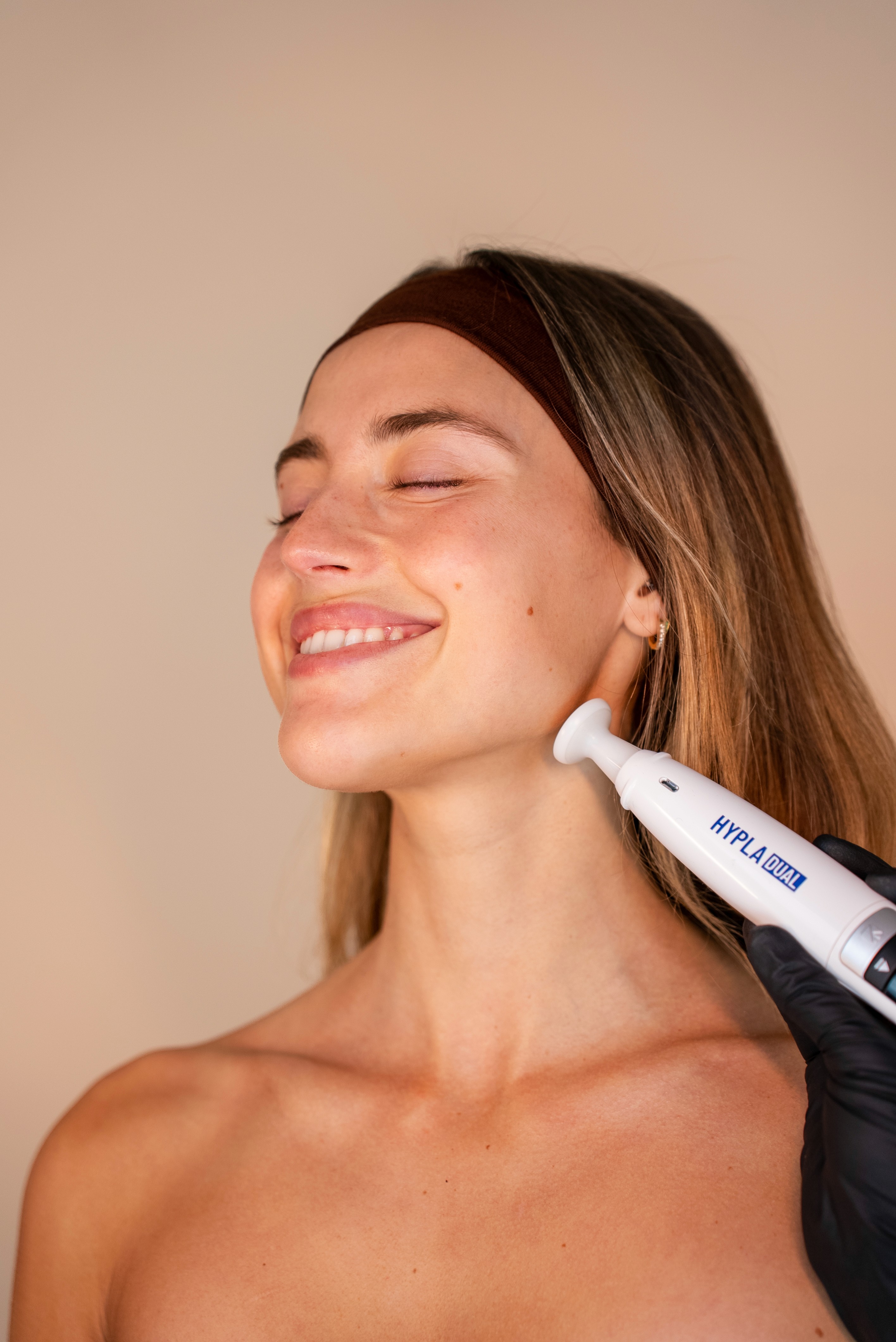

Skincare that makes you feel good
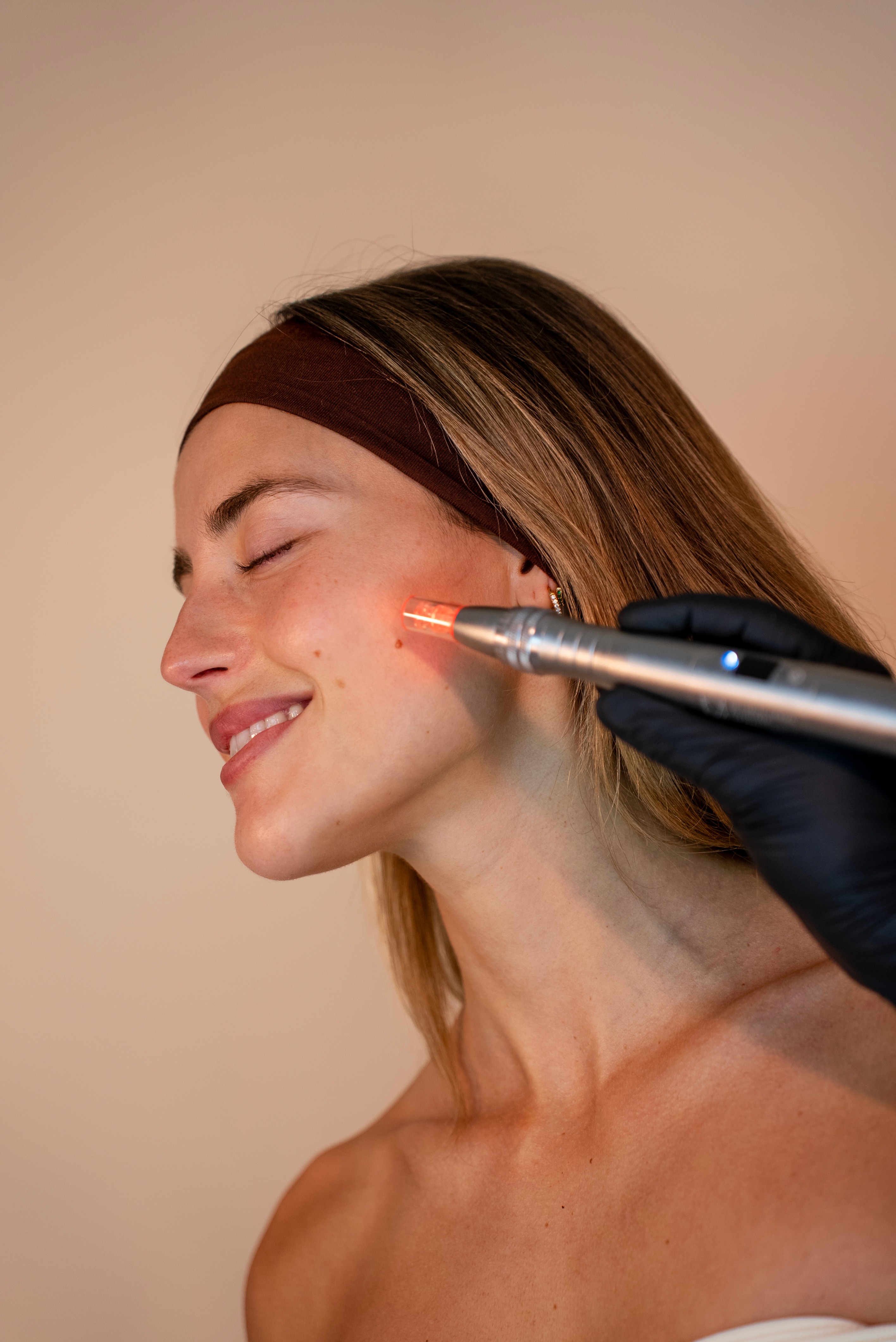
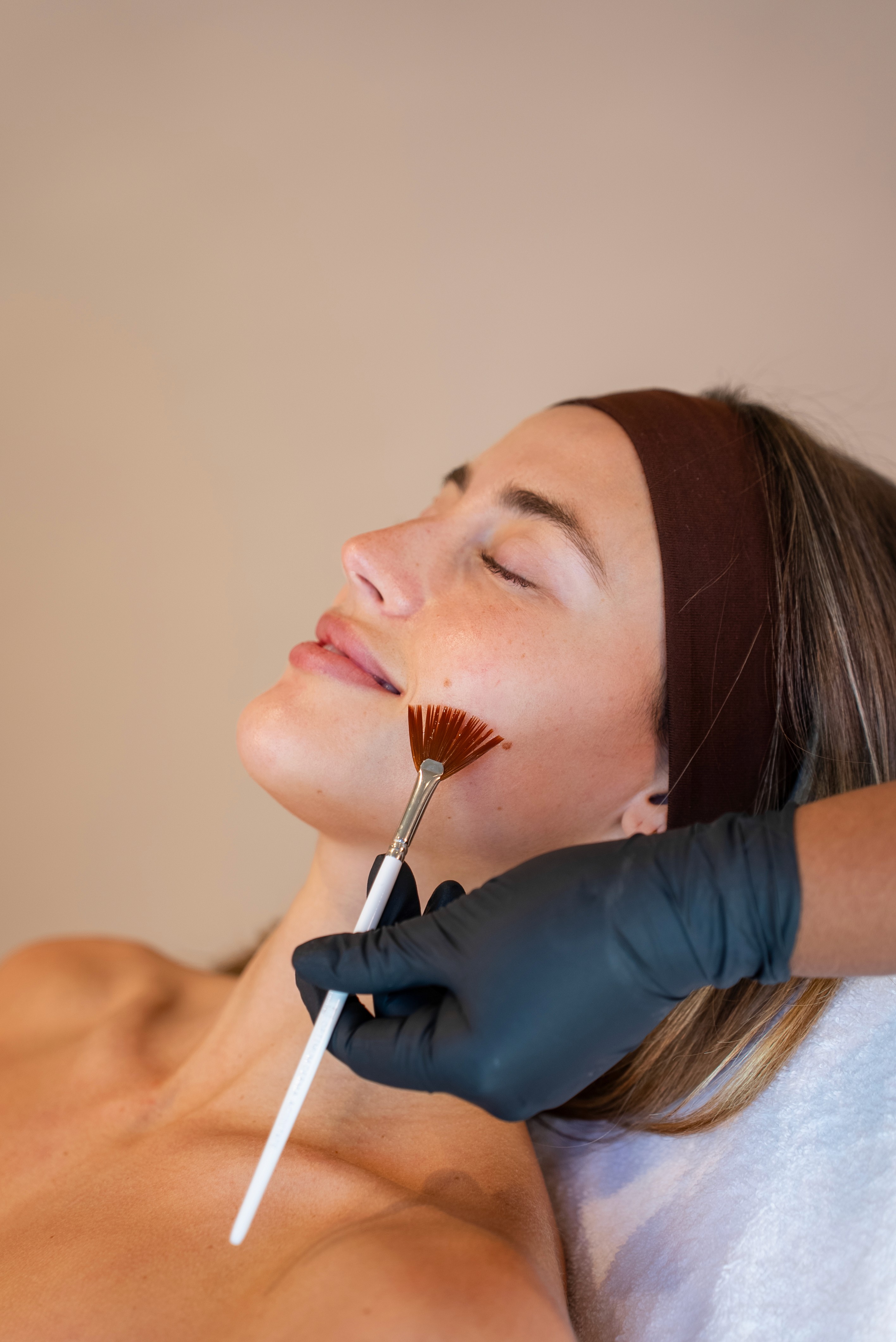
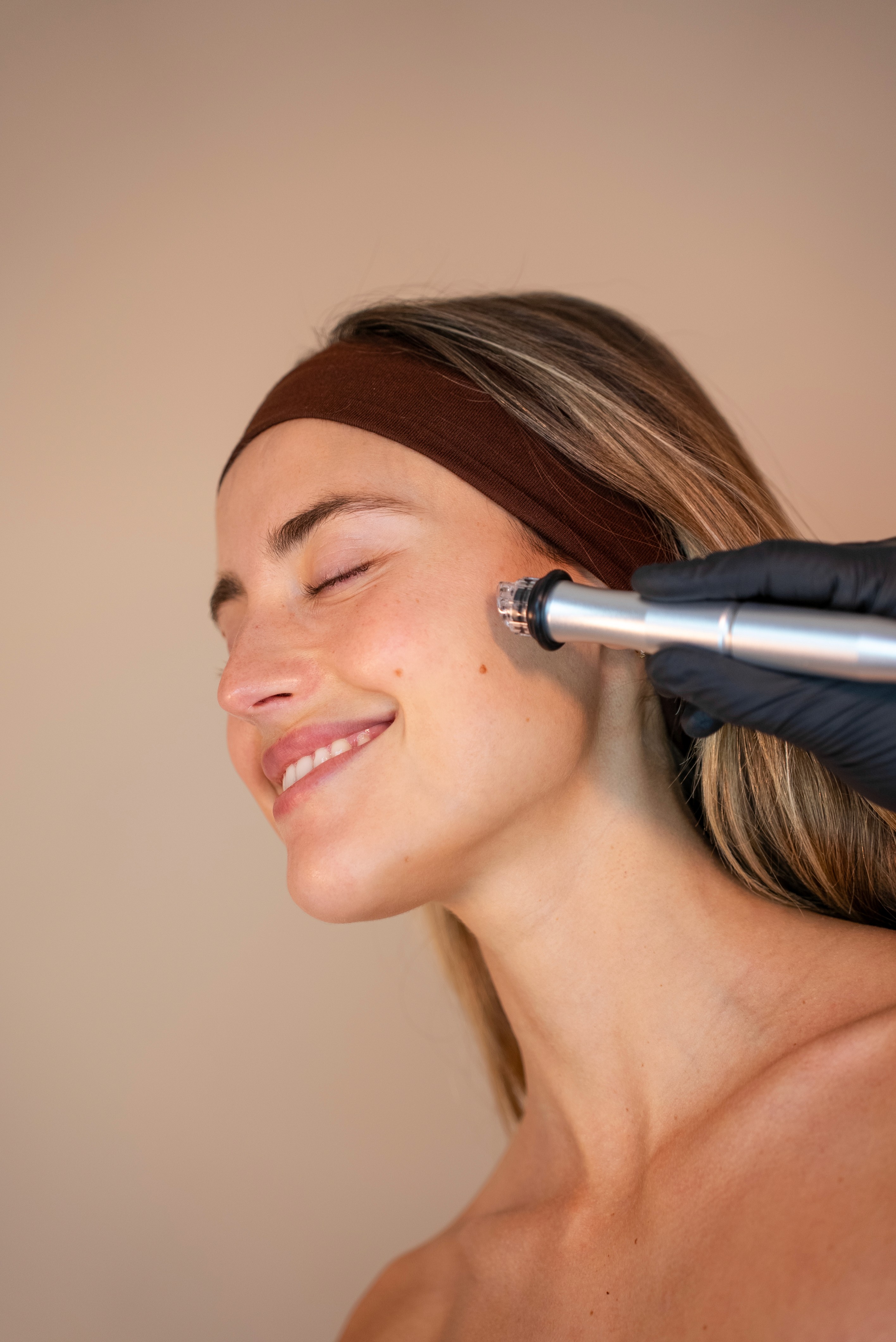
Annoyed by pimples, redness, or a dull complexion? Our experts create personalized treatments that will make your skin feel comfortable and confident again.
Skincare that makes you feel good
Annoyed by pimples, redness, or a dull complexion? Our experts create personalized treatments that will make your skin feel comfortable and confident again.
Skincare that makes you feel good
Annoyed by pimples, redness, or a dull complexion? Our experts create personalized treatments that will make your skin feel comfortable and confident again.

Contact us
Locations
Den Haag
Valeriusstraat 21 2517HM The Hague
© 2025 SKIN.nl. All rights reserved.
Contact us
Locations
Den Haag
Valeriusstraat 21 2517HM The Hague
© 2025 SKIN.nl. All rights reserved.
Contact us
Locations
Den Haag
Valeriusstraat 21 2517HM The Hague
© 2025 SKIN.nl. All rights reserved.